Experience painless, state-of-the-art FUE & FUT hair restoration
tailored specifically to your natural hairline.

FUE (Follicular Unit Extraction)

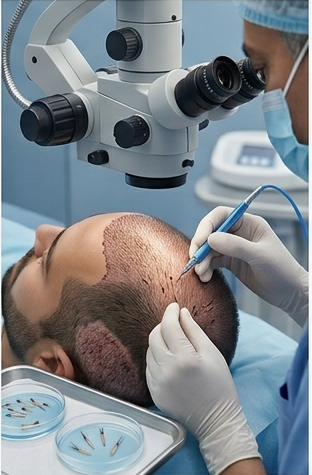
At New You Hair Solutions, we offer advanced FUE hair transplants for natural, permanent restoration. This minimally invasive technique extracts individual follicles without leaving linear scars, ensuring quick healing and maximum graft survival.

DHT (Direct Hair Transplant)

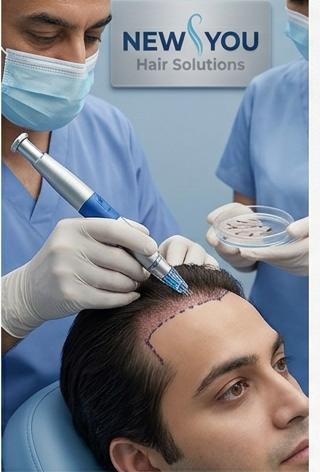
At New You Hair Solutions, our Direct Hair Transplant technique minimizes the time grafts remain outside the scalp. Follicles are implanted immediately after extraction, ensuring superior graft survival, high density, and a natural hairline.

FUT (Follicular Unit Transplantation)

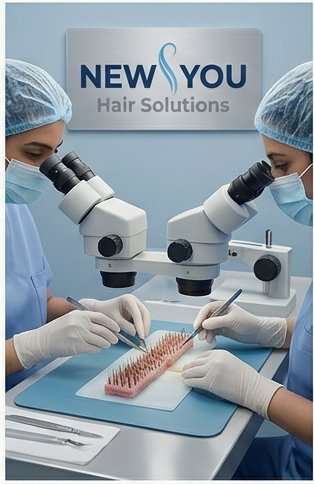
At New You Hair Solutions, FUT is a dependable solution designed for patients experiencing extensive baldness. By harvesting a strip of donor hair, it allows thousands of grafts to be transplanted in a single session for maximum volume.

PRP (Platelet-Rich Plasma)

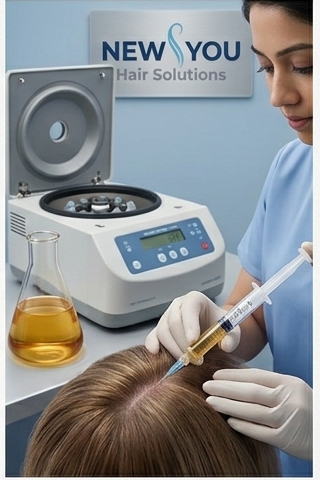
At New You Hair Solutions, PRP therapy is a safe, non-surgical treatment that utilizes your own concentrated blood platelets to nourish weak follicles. It is an ideal therapy for halting hair fall and stimulating new growth without downtime.

Sapphire FUE Hair Transplant

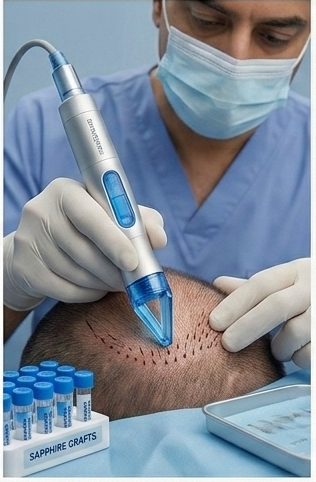
At New You Hair Solutions, Sapphire FUE uses specialized sapphire blades instead of regular steel to open micro-channels. This allows for denser graft placement, minimal tissue trauma, and a significantly faster recovery.

GFC (Growth Factor Concentrate)

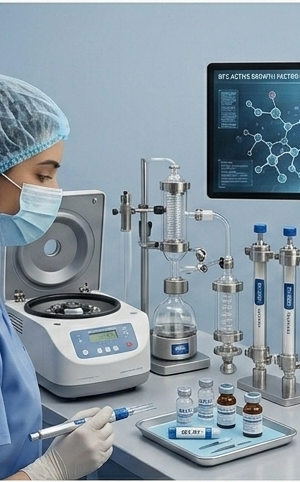
At New You Hair Solutions, GFC is an advanced, next-generation therapy that delivers pure growth factors extracted from your blood directly to the roots. It repairs damaged follicles, boosts hair thickness, and revitalizes thinning scalps.

"From Non-Surgical Therapies to High-Density Transplants—Your Journey to Fuller Hair Starts Here."

Hair Transplant Services

At New You Hair Solutions, we provide advanced hair restoration and hair transplant services, where we aim to redefine your confidence by restoring not just your hair but your youthful vitality.

Female Hair Transplant

Restores hair density and lowers broad hairlines without shaving your head.

Male Hair Transplant

Permanently restores receding hairlines and crown baldness using natural hair.

Beard & Moustache Transplant

Fills in patchy facial hair to create a thick, well-defined beard.

Eyebrow & Eyelash Transplant

Reshapes and thickens thin brows and lashes for permanent natural fullness.

Body Hair Transplant (BHT)

Uses body hair for extra graft coverage when scalp donor hair is limited.

Corrective / Revision Hair Transplant

Fixes poor results and unnatural hairlines from previous hair transplants.

Hair Fall Control Therapies

Non-surgical growth treatments that stop hair fall and boost natural regrowth.

The New You Advantage

Happy Clients
0 +
Years of Experience
0 +
Cases of Grade 6/7
0 +
Grafts Done
0 M+
Google Ratings
0

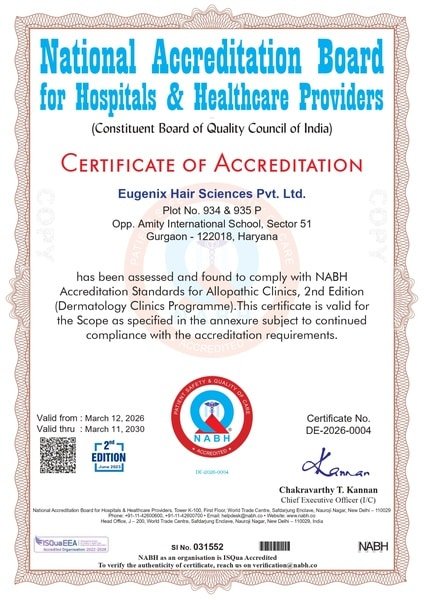
New You Hair Solutions is now NABH-accredited, and what that means goes far beyond a certificate on the wall. Our center is supported by a highly experienced and reputed team of medical professionals dedicated to delivering exceptional care.

The National Accreditation Board for Hospitals & Healthcare Providers operates under the Quality Council of India and is globally recognised as India’s highest benchmark for clinical quality. It doesn’t ask whether your lobby looks nice. It asks whether your patient’s journey – from inquiry to incision to follow-up – is safe, documented, ethical and reproducible.

For our team – every surgeon, every hair expert, every patient coordinator, counsellor and every sanitation worker who has ever come in early or stayed late to get something right – this accreditation is earned by us.

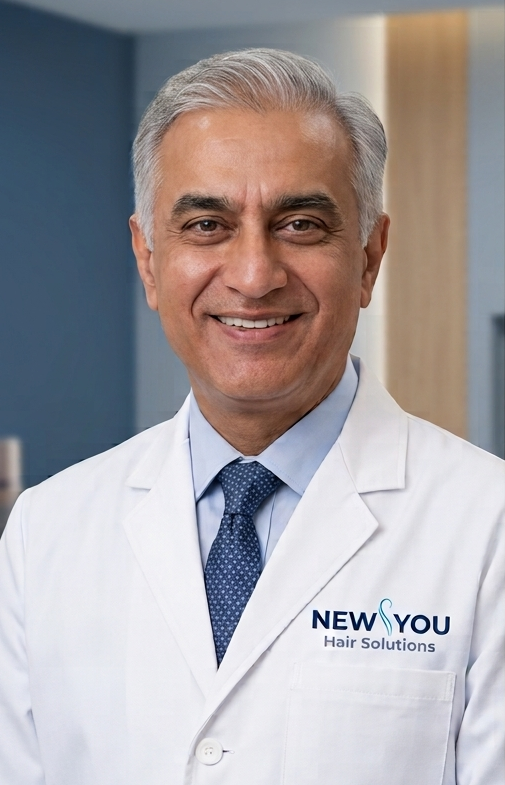
Dr.Neetesh Verma

Born and raised in Bhopal, India, Dr. Neetesh Verma is an alumnus of AIIMS, New Delhi, where he specialized in dermatology. Dr. Sethi’s proficiency extends to crafting natural-looking hairlines, creating density in hair transplantation, and handling cases of extensive baldness.

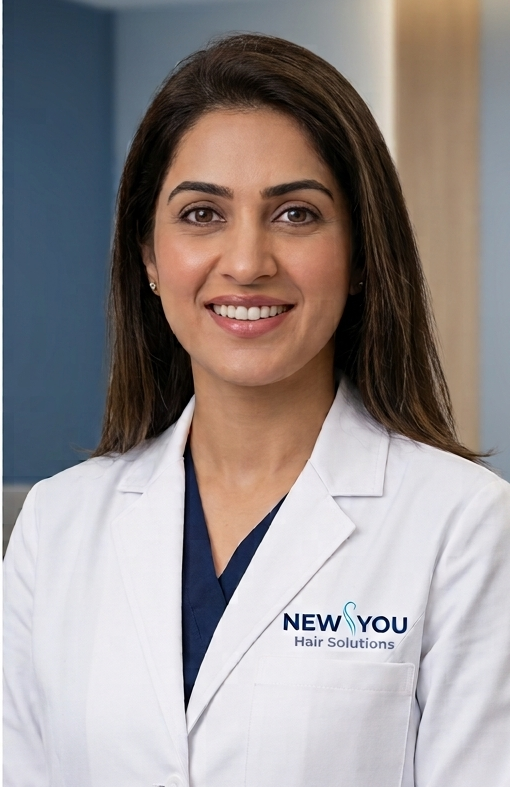
As an active fellow of the International Society of Hair Restoration Surgery (ISHRS), Dr. Sethi’s papers and articles are regularly featured in renowned national and international medical journals. He, along with Dr. Arika, pioneered the DHT technique and co-authored a book titled, Step by Step Hair Transplantation.

What is Hair Transplantation or Hair Restoration?

Imagine your scalp is like a garden. A hair transplant is like relocating healthy plants from a dense part of your garden to a patch where the soil is bare.

Here’s how it works:

  1. Sourcing the Hair: Doctors take tiny grafts of hair from an area where you have plenty, usually the back or sides of your head. This is called the “donor area.”
  2. Planting the Hair: They then carefully place these grafts into the thinning or bald areas, like your hairline or crown.
  3. Natural Growth: Once moved, these hairs will continue to grow naturally in their new spot for the rest of your life.   

Essentially, it’s a permanent solution that uses your own hair to restore a fuller, natural-looking hairline. The best part is that the area where the hair was taken from has so much to spare, you won’t even notice it’s gone.

What is the best technique for a Hair Restoration?

The best technique is one that gives you the most natural-looking results with the highest hair survival rate, minimal scarring, and a comfortable experience.

At Eugenix, we specialize in the Direct Hair Transplant (DHT) technique, an advanced form of Follicular Unit Extraction (FUE). We consider DHT to be the gold standard for several key reasons:  

  • Maximum Graft Survival: DHT minimizes the time that hair follicles spend outside the body. This swift implantation is crucial for ensuring that the maximum number of transplanted hairs survive and grow.  
  • No Scars, Stitches, or Pain: Because we extract and implant individual hair follicles without a scalpel, the procedure is minimally invasive. This means a faster, more comfortable recovery with virtually no visible scarring.  
  • Completely Natural Results: Our skilled surgeons have precise control over the angle, depth, and direction of each implanted hair. This artistry ensures your new hair grows in a natural pattern, seamlessly blending with your existing hair.  

While other techniques like FUT (the “strip method”) exist, DHT avoids the linear scar and longer downtime associated with them. For these reasons, we believe DHT offers our patients the most advanced and effective path to restoring their hair and confidence.

What is hair transplant recovery time?

Hair transplant recovery is a journey with different milestones. While the initial healing is quick, seeing the final results takes patience. Here’s a simple timeline of what you can expect:

The First Two Weeks: The Healing Phase

This is the most critical period for your new grafts.

  • Days 1-5: You may experience some mild swelling, redness, and tenderness in both the donor and transplanted areas. This is normal and will subside within a few days. We provide you with all the necessary post-operative care instructions to manage this.
  • Days 5-10: Small scabs will form around the transplanted hairs and then begin to fall off. It’s important not to pick at them. By day 10, your scalp will look much clearer. Most patients feel comfortable returning to work and light daily activities within 7 to 10 days.

2 to 4 Weeks Post-Transplant: The “Shedding” Phase

Don’t be alarmed if the newly transplanted hairs start to fall out. This is a normal and expected part of the process called “shock loss.” It means the implanted follicles are healthy and are making way for new hair to grow.

3 to 4 Months: The First Signs of New Growth

New hairs will begin to sprout. Initially, they may be fine and thin, but they will gradually get thicker and stronger over time.

6 to 9 Months: A Noticeable Difference

You’ll start to see significant growth and more density. The transplanted hair will be longer, and you’ll be able to style it.

12 to 18 Months: The Final Result

By this time, your hair transplant journey is complete. You will see the full, final results with your new hair grown to its maximum thickness and density, giving you a natural and permanent new look.

At Eugenix, our dedicated care team is with you at every step of your recovery to ensure a smooth, comfortable experience and the best possible outcome.

Is hair transplant safe?

Yes, a hair transplant is a very safe procedure when performed by a qualified and experienced surgeon in a sterile medical facility. It is a minimally invasive outpatient procedure, meaning you can go home the same day.

Like any surgical procedure, there are minor risks, but serious complications are extremely rare. The most common side effects are temporary and mild, including:

  • Swelling: Some mild swelling on the forehead or around the eyes is normal and typically subsides within a few days.
  • Minor Discomfort: You may experience some tenderness in the treated areas, which can be easily managed with prescribed pain medication.
  • Scabbing: Small scabs will form around the transplanted grafts, but these will naturally fall off within a week to ten days.

At Eugenix, patient safety is our top priority. Our team of highly skilled doctors and technicians adheres to the strictest hygiene and safety protocols to ensure a safe, comfortable, and successful hair transplant experience. We also provide detailed post-operative care instructions to minimize any risks and support a smooth recovery.

Is the transplant painful?

This is a very common and understandable concern. Our highest priority is your comfort, and we ensure the entire process is as pain-free as possible.

Here’s what you can expect:

  • The Anesthesia: The only discomfort you are likely to feel is the series of small injections for local anesthesia at the very beginning. Most patients compare this to a temporary, mild stinging sensation that lasts only for a few moments.
  • During the Procedure: Once the anesthesia takes effect, your scalp will be completely numb. You will not feel any pain during the hair transplant itself. You’ll be comfortable enough to relax, listen to music, or even take a nap while our team works.
  • After the Procedure: As the anesthesia wears off, it’s normal to feel some mild soreness or tenderness for a couple of days. This is a natural part of the healing process and is easily managed with the simple pain relief medication we provide.

So, while you may experience some minor and temporary discomfort, the procedure itself is not painful. We are with you at every step to manage your comfort and ensure you have a smooth, positive experience.


What are some of the pre and post-transplant instructions?

This is a very common and understandable concern. Our highest priority is your comfort, and we ensure the entire process is as pain-free as possible.

Here’s what you can expect:

  • The Anesthesia: The only discomfort you are likely to feel is the series of small injections for local anesthesia at the very beginning. Most patients compare this to a temporary, mild stinging sensation that lasts only for a few moments.
  • During the Procedure: Once the anesthesia takes effect, your scalp will be completely numb. You will not feel any pain during the hair transplant itself. You’ll be comfortable enough to relax, listen to music, or even take a nap while our team works.
  • After the Procedure: As the anesthesia wears off, it’s normal to feel some mild soreness or tenderness for a couple of days. This is a natural part of the healing process and is easily managed with the simple pain relief medication we provide.

So, while you may experience some minor and temporary discomfort, the procedure itself is not painful. We are with you at every step to manage your comfort and ensure you have a smooth, positive experience.

What is DHT?

What is DHT?

In the context of hair loss and restoration, “DHT” has two key meanings: one is the cause of hair loss, and the other is a leading solution. Both the terms relate to hair restoration in very different ways:

1. DHT: The Hormone That Causes Hair Loss

DHT stands for Dihydrotestosterone. It is a natural and powerful hormone derived from testosterone.

  • How it works: In individuals who are genetically predisposed to hair loss, the hair follicles on the scalp are sensitive to DHT.
  • What it does: DHT binds to these follicles, causing them to shrink over time. This process, called ‘miniaturization,’ makes the hair strands progressively thinner, shorter, and weaker, until the follicles eventually stop producing hair altogether.

This DHT-induced hair loss is the primary cause of androgenetic alopecia, commonly known as male and female pattern baldness.

2. DHT: The Advanced Hair Transplant Technique

DHT also stands for Direct Hair Transplant. This is a highly advanced and refined method of FUE (Follicular Unit Extraction) that delivers superior, natural-looking results.

  • How it works: In a DHT procedure, hair follicles are extracted from the donor area one by one and then immediately implanted into the balding or thinning areas using a specialized tool.
  • What makes it different: The key advantage of the DHT technique is minimizing the time the hair grafts spend outside the body. This immediate implantation significantly increases the survival rate of the transplanted follicles.
  • The result: This meticulous approach, pioneered by our founding surgeons at Eugenix, ensures maximum density, precise control over the angle and direction of hair growth, and a quicker recovery with no linear scarring.

In short, while the hormone DHT is the problem for many experiencing hair loss, the Direct Hair Transplant (DHT)technique is the state-of-the-art solution.


Scroll to Top